

Backed by Peter Jackson and Mori leaders, a U.S. biotech firm plans to revive the colossal South Island moa the largest bird that ever lived within eight years, writesPatrick Drennan.
SCIENTISTS PLAN to bring back the world's largest extinct bird within eight years.
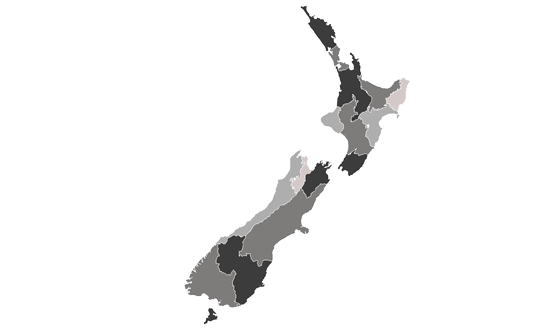
TheSouth Island giant moa, the largest bird that ever existed even bigger than the famousdodowent extinct about 600 years ago, with the arrival of the first humans to the islandsof New Zealand.
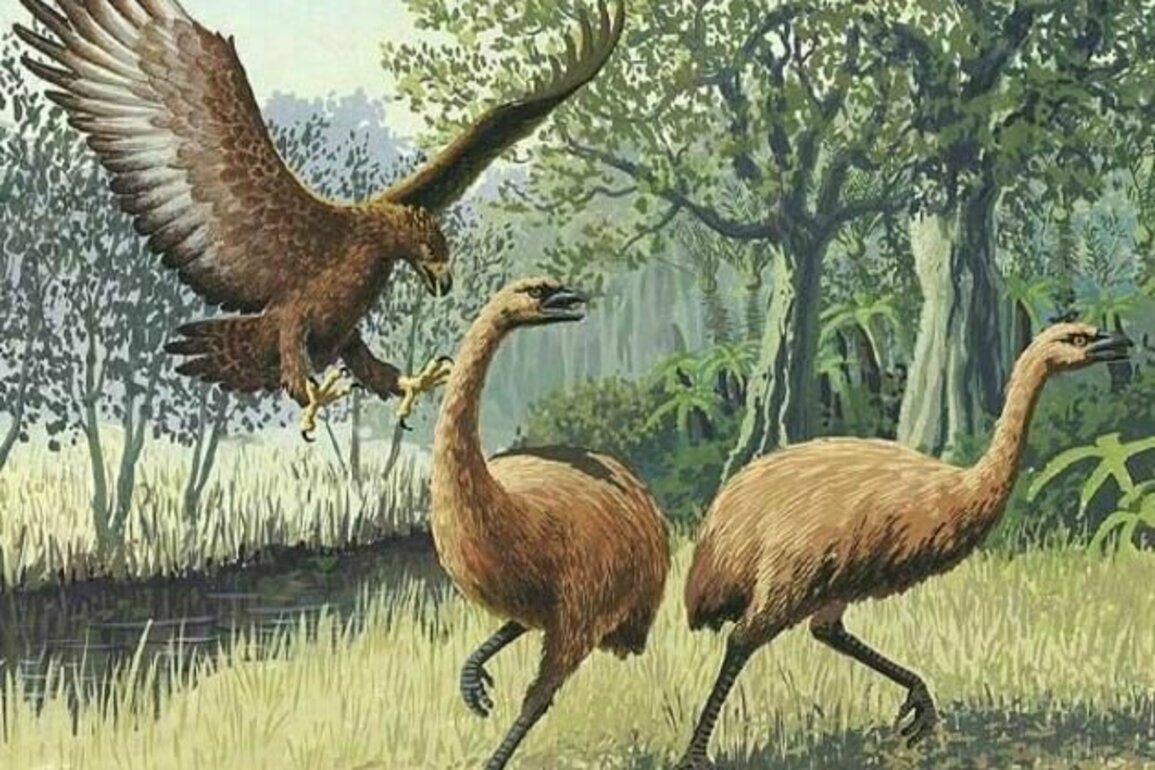
The giant moa was 3.6 metres in height with its neck outstretched, weighing about 230 kilograms.
Living in the pristine South Island, it evolved to a great size because of dense vegetative food sources and because it had only one known predator appropriately, the worlds largest eagle theHaasts eagle.
The first humans, the Polynesian islanders who became known as theMori, devoured the nine species of Moa within 200 years of arriving.
When killers become choosers: Resurrecting the Tasmanian tigerEfforts should be made to prevent the extinction of species rather than playing God and trying to bring them back.
On 8 July 2025, U.S. companyColossal Biosciencesannounced a $US50 million (AU$77.3 million) project to revive the flightless bird through gene editing and surrogate hatching. Backers include the MoriNgi Tahutribe and billionaire filmmakerPeter Jackson.
Jackson also backed another Colossal project, bringing thedire wolfback to lifeafter 10,000 years. Because of their intensive work on theDodo Restoration Project, Colossal anticipate that they will be able to complete amoa restorationwithin eight years.
Colossal will harness the genes from moa bones and match them with the genome of the moas closest living relatives, which include the South Americangreat tinamou, and distant ratite cousins like the Australianemu. They will then insert the resulting DNA into the egg cells of the host bird.
The resulting egg could measure about 240 millimetres long. A great tinamou egg is about 60 millimetres long, and an emu egg is about 1,562millimetres long.
The research has raisedintense academic debate.
TheInternational Union for Conservation of Nature (IUCN)suggests that attempting to bring back an extinct species using a proxy species creates a hybrid, which is not considered a pure species in their assessment.
Professor EmeritusPhilip Seddon, Department of Zoology, University of Otago,stated:
ProfessorTammy Steeves, School of Biological Sciences, University of Canterbury, stated:
Nevertheless, many non-academic observers, raised on theJurassic Parkfilm series, are fascinated by the prospect. This raises several thought-provoking questions.
Will the recreated moa be fully a moa?
Traditional thought says that an attempt to recreate a moa using DNA from a related species to fill in gaps in the moa genome would result in a hybrid rather than a true moa. Yet,according to Colossal Biosciences, their de-extinction project aims to recreate a moa that is as close to the original as possible, with no genetic material from other species.This means the resulting animal should be genetically identical, or very close to it.
Does this mean that woolly mammoths and dinosaurs can also be re-established?
Firstly, theirDNAis very old and currently unusable. Secondly, their extinction was caused byenvironmental reasonsthe atmosphere and plants on which they thrived have changed dramatically.
While the rainforests of New Zealand are less dense than 600 years ago and the climate is slightly warmer, the conditions and plants the giant moa would need to survive are still in place.
Australia's wildlife extinction is the new normalAustralia's cruel treatment of our wildlife has been normalised by the mainstream media and an unsympathetic government.
Where will these giant moas live?
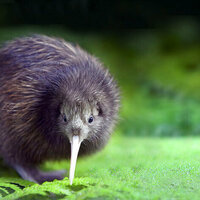
New Zealand has several significant mainland bird sanctuaries, surrounded by predator-proof fences. They protect some of the worlds rarest birds, including thekiwi, thetakah, and a huge pigeon, thekerera strange bird thatgets drunkby gorging on summer berries and falls out of trees. In the wild, introduced pests like possums, rats, stoats and feral cats prey on these birds and their eggs, or eat the plants and seeds these creatures need to survive.
The South Island has two mainland bird sanctuaries that could house a giant moaOrokanui Ecosanctuaryin Otago and theBrook Waimrama Sanctuaryin Nelson. Whether their deep-dug, predator-free fences would contain a giant moa is another matter. There is also the offshoreUlva Island, over 30 kilometres from the mainland.
Will they attack humans?
Like their ratite cousins, the emu, the male moaincubates the eggs. They might defend their eggs if threatened, but there is nooral traditional recordfrom ancient Mori of moa attacking humans.
The advantages of reestablishing the moa
Ecotourism will boom in New Zealand.
It is likely to advance science in a significant manner. The gene editing techniques used to revive the giant moa will help protect many vulnerable bird species worldwide. Furthermore, it may be one of the techniques used to cure some human cancers. More specifically, it will help reverse the immense damage done to the natural environment by humans.
Many conservationists say that the money would be better spent on the environment and other species.
When questioned on this matter, Peter Jackson poignantlyreplied:
Patrick Drennanis a journalist based in New Zealand, with a degree in American history and economics.