

Albanese rejects U.S. calls to raise defence spending, but history suggests Labor folds when the strategic pressure starts to rise, writesCallum Sen Murray.
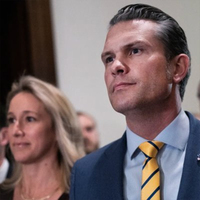
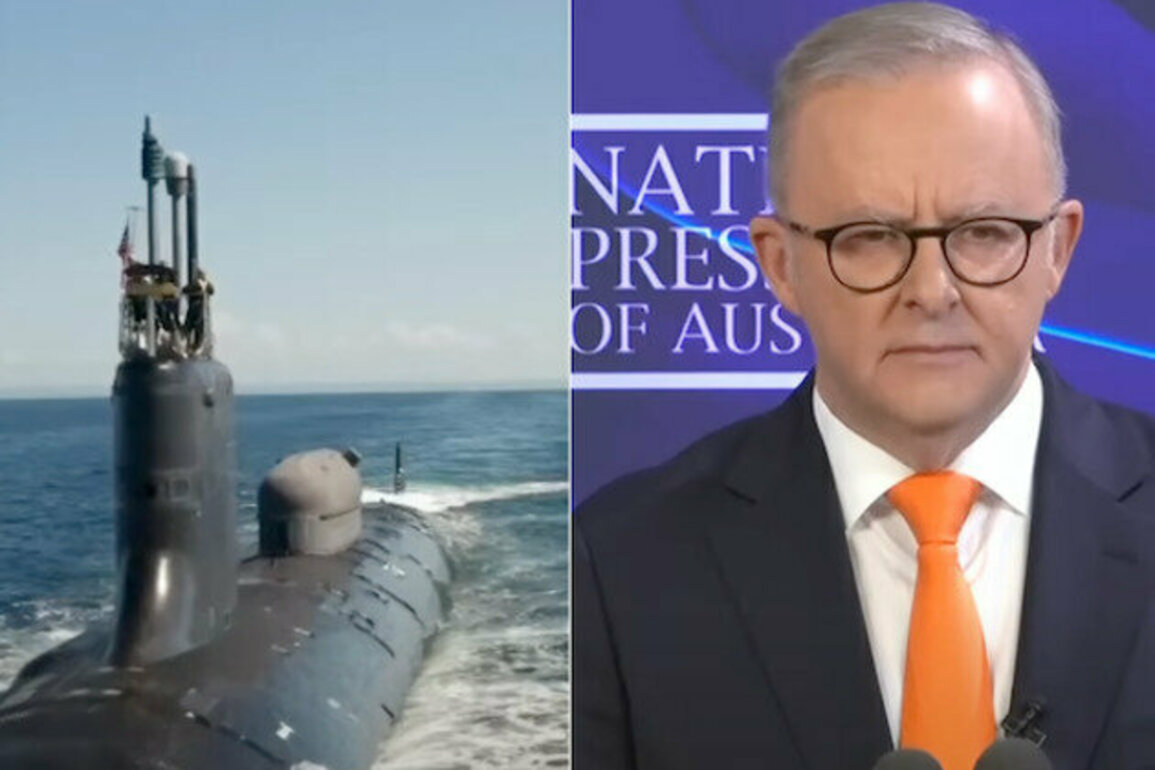
U.S. SECRETARY OF DEFENCEPete Hegseth recentlycalledon Australia to raise its defence spendingto 3.5 per cent of GDP as soon as practicable.
At present, it sits at 2 per cent. Prime Minister Anthony Albanese wasquick torebuffsuch calls, claiming that Australia makes its own sovereign decisions. This may serve to assuage growing anti-American sentiment among the Australian public, but it will not quell future demands from Washington.
The Americans have been pressuring NATO members to lift their defence budgets for over a decade. These calls are beginning to be heeded. Even Germany hasdecidedto leave history in the past and prepare for war.
Australia is arguably one of America's closest allies. We rely on their nuclear umbrella and allow possibly nuclear-armed planes to be based hereand nuclear-powered and possibly nuclear-armed warships to dock here. We are part of theFive Eyesnetwork, which includes the highly secretivePine Gapfacility. We buy their military hardware, which requires U.S. technology and expertise to remain operational (a fact made clear when Europe floated the idea of moving away from U.S. systems). In short, our defence is deeply entwined with American military power.
Whether lifting defence spending is good or bad is not the subject of this piece. The more pressing question is whether the Labor Government will hold firm to its current rhetoric in the face of mounting pressure, or whether it will, over time, quietly fall into line.
AUKUS gets a Trump cardJust when Australia needed a way out of its $368 billion submarine gamble, along comes the most unlikely escape hatch of all.
If any party were to resist, it would be Labor. After all, it wasGough Whitlamwho pulled Australian troops out of Vietnam in 1972. And it wasSimon Crean, leading the Labor opposition in 2003, who refused to provide bipartisan support for the Howard Governments military backing of the U.S. invasion of Iraq. By contrast,Harold Holtwas all the way with LBJ",and John Howard was gung-ho with Dubya.
In both instances, Australian lives were on the line. And in both instances, Labor resisted the logic of imperial wars prosecuted with flimsy strategic justification. But that resistance was, in truth, not as radical as it first appears. Whitlams withdrawal came after anti-war sentiment had become dominant, and just as the U.S. was beginning its own drawdown under theVietnamisationpolicy. America would be out entirely by 1973. Similarly, although Labor opposed the invasion of Iraq, they did not withdraw Australian troops after returning to power in 2007. We only withdrew when the Americans did in 2011.
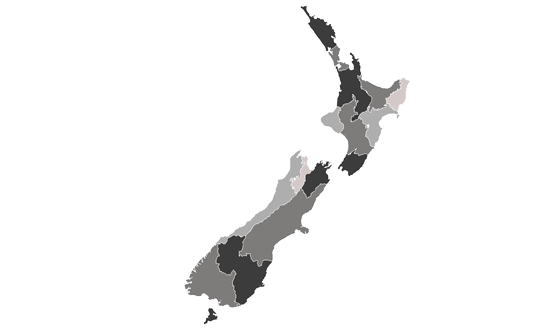
And when the stakes were lower i.e. when Australian troops werent directly involved Labors record becomes more compliant still. The Hawke Government continued to permit U.S. nuclear-powered warships to dock in Australian harbours, even after New Zealand refused them entry in response to popular anti-nuclear sentiment. Hawke later boasted before a joint sitting of the U.S. Congress in 1988 ofhavingmodernisedAustralias defence forces and assumed greater strategic responsibility in the region. Fast forward to today, and Labor under Albanese almost immediately endorsed the AUKUSdealstruck by former Prime MinisterScott Morrison, committing to a $350 billion submarine program spanning several decades.
Labor is more than capable of doing Americas bidding if historical precedent is any guide. There are exceptions. In 2012, theGillardGovernment slightlyreduceddefence spending, provoking the irritation of U.S. PresidentBarack Obama. It was hardly a bold move, given the relatively placid state of global affairs at the time. Even so, the Coalition leapt on it,accusingLabor of being weak on defence. The moment they returned to power in 2013, defence spending rose once more.
In defence of diplomacy: A path to Australian independenceAustralia cannot make diplomacy its first line of defence until it reclaims the independence it has long surrendered to foreign alliances.
It doesnt take much to imagine how todays announcement might play out. The Murdoch press and a despondent Coalition are already saying that the government is too soft on national security. Defence, long a Coalition stronghold, is a ready-made wedge issue. The historical record shows that while Labor can resist American pressure, it tends to do so only when the strategic costs are low. When the stakes rise, Labor has proven just as pliant as the Coalition.
But what about Donald Trump, and the swing towards Labor for not echoing his policy rhetoric at the last election? Albanese will likely push back against appearing to kowtow to Trump. Pushing back against tariffs is fair enough (it really is not a way to treat a friend). But being unprepared for a regional war where we will need America's support is quite another matter. Australia has already committed to Americas strategic priorities in Asia, evinced by troop build-ups in the Northern Territory and effectively committing our island as anunsinkableaircraft carrier.
We are told that we are entering the most dangerous geopolitical environment since the 1930s. Rising powers that plateau, historians warn, tend to lash out. Xi Jinping, for his part, may see the reunification of Taiwan as the capstone of his legacy. Against this backdrop, there is a compelling strategic case for increased defence expenditure. And if history is any guide, Labor wont need much prodding. They will lift spending, not necessarily in response to American demands, but under the guise of national interest. The result will be the same.
So, returning to Albaneses initial comments, where hesaid:
We do not have one yet, but once we do, and that process may well be fast-tracked in light of current rhetoric, we can expect announcements of increased investment in strategic capabilities: missiles, drones, and other force multipliers for the rapidly changing nature of war. It may not happen now, but I suspect it will occur before the next election. In this sense, Albanese has already signalled greater increases in defence expenditure. Tough rhetoric is no match for strategic reality.
Callum Sen Murrayhasa Masters Degree inPhilosophy, Politics and Economics from Victoria University of Wellington. Callumresides in WA, works in public policy and has a keen interest in international affairs.